One day, we’ll all become old and pass away. It must happen. But wouldn’t it be best if we could prevent as many of the ailments and conditions that come with becoming older?
The main concepts listed below will reveal
One day, we’ll all become old and pass away. It must happen. But wouldn’t it be best if we could prevent as many of the ailments and conditions that come with becoming older?
It’s only normal to wish for a “miracle cure” if you or a loved one is afflicted by a medical ailment since it might change your life. Examples of this include Alzheimer’s disease and stroke. Yet many assert that stem cell treatment may already be this miracle in action. As a consequence, much effort and resources are being put into study in this particular field. But is all the buzz justified?
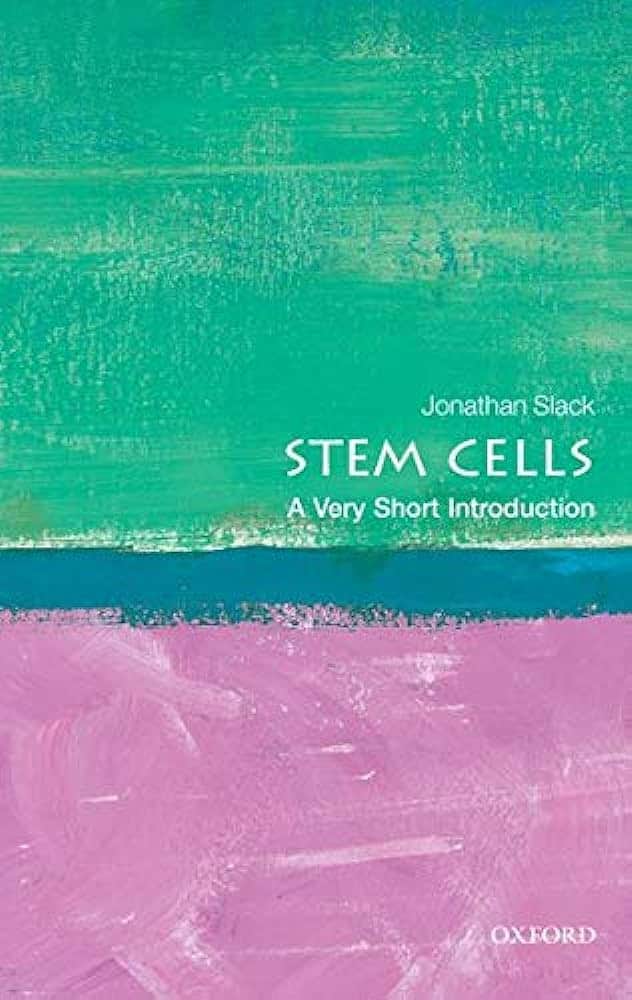
We have minimised the use of technical terms and medical jargon in this companion volume to Jonathan Slack’s Stem Cells. Instead, in an attempt to understand this difficult topic, we concentrate on what stem cells are, the limits of present stem cell therapies, and the possibilities for treatments in the future.
The main concepts listed below will reveal
Let’s start with the fundamentals before delving into the specifics of what stem cells are. Cells, which have a diameter of little more than.02 mm, are the basic units of all living things, including plants and animals. Almost 200 distinctly different cell types may be seen in human bodies. They are often referred to as differentiated cells. This indicates that they perform certain tasks and are easily recognised based on how they look under a microscope. Our liver cells, brain cells, and heart muscle cells are typical examples.
The undifferentiated cells come next. They look more standardised. Yet, looks might be deceiving since some of these cells could really be specialised to carry out certain tasks. For instance, embryos include both differentiated and undifferentiated cells, which change as the embryo develops. Regrettably, they are also present in certain malignancies, where their propensity for uncontrolled expansion might be problematic.
Undifferentiated cells may be stem cells in certain cases, but not always.
Being ability to multiply and create progeny that develop into various types of cells is what distinguishes stem cells from other types of cells. They often reside in areas like the skin, blood, and gut lining throughout the course of an organism’s existence.
Let’s focus on the skin in more detail to look at these cells. Keratinocytes make up the epidermis, the outermost layer of your skin. They deteriorate over the day. In order to maintain your skin, stem cells that are present in the basal layer of your skin produce new cells. To replace the aged, damaged, or dead cells, some of these cells differentiate into fresh stem cells, while others mature and grow into fresh keratinocytes. Since it is constantly being replaced, the epidermis is referred to as a renewal tissue. It is not conceivable without these tissue-specific stem cells.
Nowadays, embryonic stem cells, or ES cells, are the most well-known stem cells. This kind of stem cell is often the subject of debate and what most people see when stem cell research is brought up. Yet in fact, ES cells are not found in nature. They are only present as tissue cultures stored in labs that were made by scientists.
Early embryonic cells are used to create ES cells, which have the ability to differentiate into pluripotent differentiated cells that can divide indefinitely. They may either divide to produce more stem cells or differentiate into any other sort of cell in the body, demonstrating their adaptability. Yet, not every cell in an embryo is a stem cell. After an embryo is developed, its cells are no longer regarded as stem cells since they quickly differentiate into other cell types.
It was a lot, I admit. Let’s briefly go over the distinctions between tissue-specific stem cells and embryonic stem cells to close up this first chapter. Since embryonic stem cells are pluripotent, they can differentiate into any kind of cell present in the body. On the other hand, tissue-specific stem cells lack pluripotency and can only give rise to cells of the tissue type from which they originated.
We’ll go more deeply into these stem cell varieties and their potential uses in the next chapters.
Embryonic stem cells, particularly human ES cells, are the subject of the greatest ethical and political discussions, as we’ve previously indicated.
Preimplantation embryos should have complete human rights, according to opponents of stem cell research, and utilising them to produce ES cells is equivalent to murder. Oftentimes, religious justifications are used. For instance, contemporary Catholics believe that conception marks the beginning of human existence. This wasn’t always the case, which is interesting. The Catholic Church claimed that the soul entered the foetus during quickening throughout the Middle Ages. About 18 to 24 weeks, a woman experienced her first foetal movement at this time. Although Jewish and Islamic faiths only accept the embryo once 40 days have passed, Buddhists have the same current Catholic perspective. For Hindus, life begins when reincarnation takes place, which might be anytime between conception and seven months.
On several issues, biomedical professionals have divergent opinions. Yet, they all agree that personality emerges gradually and that preimplantation embryos are more akin to cell cultures or tissue samples than to actual human individuals. The first mouse ES cells were isolated in 1981 by Martin Evans, Matthew Kaufman, and Gail Martin of the University of California and Cambridge University. Almost seven years after James Thomson at the University of Wisconsin produced human ES cells from human embryos, they were isolated. But, contrary to popular belief, mouse ES cells have really contributed the most to science to this point.
These mouse cells may be implanted into mouse blastocysts, which are undifferentiated clusters of early embryonic cells. After integrating with the host embryo, they produce progeny that have the gene variations that were injected during the blastocyst stage. The outcome? an assortment of genetically altered mice.
Unimportant, huh? Well, sure, I guess! This method has been used in the past 35 years of research involving tens of thousands of genetically altered mice. Without these mice, it would have been unable to study many human illnesses, study how genes work normally, or test novel medications.
As they are derived from embryos, human ES cells have a lot in common with mouse ES cells. However there are some significant variations.
For instance, we now understand that there are two states of pluripotent cells: naïve and primed. Human ES cells are primed, whereas mouse ES cells are the naïve kind. While the cause of this is unknown, it leads to variations in gene expression, appearance, and behaviour. The process of differentiation can only be carried out by primed cells, while only naïve cells can be incorporated into a host embryo.
Where do human ES cells fit into this scenario, then? As a result, there may be no longer be a need for animal testing since scientists are using them in three major areas of research: the cellular pathology of hereditary illnesses, drug screening, and normal human development.
Ian Wilmut is employed at the Roslin Institute, which is close to Edinburgh, Scotland, in 1997. He removes the nucleus from a sheep tissue culture cell and inserts it into the female sheep’s enucleated egg. Next, using another sheep as a surrogate mother, he inserts the resultant embryo into its uterus. Dolly, a newborn lamb, is the first animal to ever be cloned 22 weeks later.
Truth be told, effective cloning existed long before Dolly. Frogs and sea urchins could be cloned by the late nineteenth century, thanks to scientific advancement.
To clone anything is to create an exact genetic replica. That happens almost daily in biomedical laboratories all around the globe these days and is a very standard operation. The cloning process we’re discussing here, though, isn’t as spectacular as cloning a whole animal; instead, it involves the growth of a colony of cells, each of which is genetically identical to its creator.
The majority of individuals agree that cloning people would be undesirable. Yet it is conceivable to create an ES cell line that may be utilised as a source for therapeutic cloning by employing somatic cell nuclear transplantation, the technique that was employed to create the embryo that eventually became Dolly.
It’s difficult to accomplish. Just a handful laboratories have successfully replicated the 2013 accomplishment. Finding human oocytes is a challenge since they must be surgically removed from willing female volunteers, which is uncomfortable and dangerous. Then, only a tiny percentage of reconstituted eggs produce an ES cell line.
Induced pluripotent stem cells, often known as iPS cells, were first created in 2006 by Kyoto University’s Shinya Yamanaka using a novel technique. Human iPS cells started to be produced one year later. These days, they may be created utilising white blood cells that were taken from a small sample of blood.
IPS cells are unique to each patient. Differentiated cells thus match the donor immunologically. This indicates that there is no need for immunosuppressive medications if these cells are implanted back into the patient. Yet at the moment, the price of manufacture makes this therapy unprofitable.
Alternatively, iPS cell line banks are being established with the expectation that the majority of people will be able to locate a compatible match for grafting and will only need a small level of immunosuppression. There is also current research into other alternatives.
The therapy of retinal degeneration has had the greatest success of all the treatments and has the most potential for the future. Age-related macular degeneration, or ARMD, affects the centre of the retina in the eyes in around 10% of adults over the age of 65. A loss of centre vision, which makes it unable to read or distinguish faces, characterises severe instances. Since 2011, clinical studies conducted in several nations have shown that transplants below the retina have minimal adverse effects and need little immunosuppression. The majority of therapies have improved visual acuity. It is expected that this will be utilised more often in the future due to the high frequency of ARMD and the relatively straightforward nature of the therapy.
Similar pluripotent cell treatments are also being developed to treat spinal injuries, type 1 diabetes, Parkinson’s disease, and heart disease, among other conditions. Nevertheless, trials have shown conflicting results so far.
Our bodies constantly exchange cells as old ones die and are replaced by new ones. Nevertheless, not every cell does this in the same manner.
Post-mitotic cells are those that never divide once again. Muscle fibres and neurons are two examples of this.
Only throughout our youth do other cells, referred to as expanding cells, divide; they cease when we stop growing. They include the cells in connective tissues and several organs, such as the thyroid, liver, and kidneys.
But there are others, referred to as renewal cells, that continuously replenish the tissues in which they are present. They produce new cells precisely at the same time as the demise of existing ones. During the duration of the organism, renewal cells remain. These may be found in the human epidermis, as well as in the intestines, testicles, and the hematopoietic system of the bone marrow, which produces both blood cells and immune system cells.
Every year, more than 50,000 hematopoietic stem cell transplants, or HSCTs, are carried out worldwide. Currently used stem cell treatment of this kind is without a doubt the most significant form. While HSCT also refers to transplants where the blood-forming cells originate from other sources, such as the umbilical cord, it has replaced the phrase “bone marrow transplantation,” which was previously more often used. Leukemia and lymphoma treatment is its principal use. Moreover, several inherited blood disorders include sickle cell anaemia and a number of haemoglobin opathies have been treated by HSCT.
Tissue-specific stem cells are used in other established therapies. For instance, corneal stem cells may be used to treat eye disorders and injuries, while cultured epidermis can be used to cure severe burns.
The developments in medicine over the twentieth and twenty-first centuries deserve our collective gratitude. While we live in a period when spinal injuries may result in complete paralysis, lost limbs cannot be replaced, and where heart failure and cancer can cause death, future generations may look back on us with bewilderment.
The hoopla around the promise of cures in the 2000s was partially a consequence of the conflicts over human embryonic stem cells. Also, a lot of politicians thought stem cell treatment would be the “next great thing” that might save their faltering economy. Yet, scientists have less faith in cures and place greater significance on studying embryonic development and drug testing.
Hematopoietic stem cell transplantation, or HSCT, is a narrative that analysts couldn’t have predicted in advance, but we can learn some lessons from it for the future.
First off, when study in this area started in the 1950s, little was understood about the hematopoietic system. Hematopoietic stem cells weren’t obtained from mice until 1988, after which it took a few more years for them to be separated from humans.
Despite improvements in the likelihood of curing illnesses like leukaemia, the therapy is vigorous and the death rate is significant. This implies that many other illnesses cannot be treated because the dangers involved are too great. Also, the cost of HSCT therapy is unaffordable — it exceeds $600,000 in the US and €200,000 in Germany.
With the advantage of hindsight, we can observe that all of this information about the hematopoietic system was only learned as a consequence of the study. Several of the findings had little chance of being profitable. Those that did were eliminated throughout the development process. Understanding biology and putting novel cures into practise have taken a very long time. It took almost 20 years in the case of HSCT. Today’s regulations would undoubtedly make it take a lot longer.
Future advancements will result from gene and cell manipulation. Stem cell treatment will undoubtedly develop in the next 10 years alone. Cell grafts may be used to treat age-related macular degeneration of the eyes, Parkinson’s disease, and damaged hearts, while dopaminergic neurons and cardiomyocytes may be used to treat Parkinson’s disease. Pancreatic beta cell implants for the treatment of type 1 diabetes may potentially be practical. Moreover, spinal injury-related paralysis could potentially be reversed.
The field of stem cell biology has great promise. Therefore, projecting its future is challenging. According to biomedical researchers, humans will eventually be able to restore amputated limbs, and there will undoubtedly be treatments for diabetes, cancer, and heart disease. Nevertheless, progress towards these results will probably be gradual and need for a great deal more study.
The main lesson is:
Stem cells come in a variety of forms, including tissue-specific stem cells and embryonic stem cells. Some of the most incurable illnesses in the world are being treated with them via a variety of applications, treatments, and clinical studies. Even though there is a lot of intriguing research being done in the area of stem cells, development is gradual.
Here is some useful guidance:
Keep your skepticism.
With your acquired understanding, continue to be wary of private stem cell clinics’ claims of miraculous treatments. Encourage responsible choices about financing and regulation for stem cell research over the next decades if you have any influence in politics or industry. There is still a long way to go before stem cells can produce the awaited miraculous treatments.